Unlocking Illuminated Manuscripts Secrets: A Guide for SCA Scribes

Hello scribes and historical arts fans! As SCA scribes, we have the incredible opportunity to bring the past to life through our award scrolls. One of the best ways to deepen our craft is by diving into the world of illuminated manuscripts. These historical treasures offer a wealth of inspiration and insight, helping us to understand the artistic styles and techniques of different workshops and eras. Ready to take a closer look? Here’s what to watch for when examining illuminated manuscripts.

Artistic Style
Each period and region developed its own distinct look, from the fantasy loops of Celtic art, bold strokes of Romanesque to the intricate details of Gothic and the elegance of the Renaissance. Notice the unique characteristics of each style, including how they used lines, how their figures are proportioned, and the most common decorative motifs they used.
Color Palette
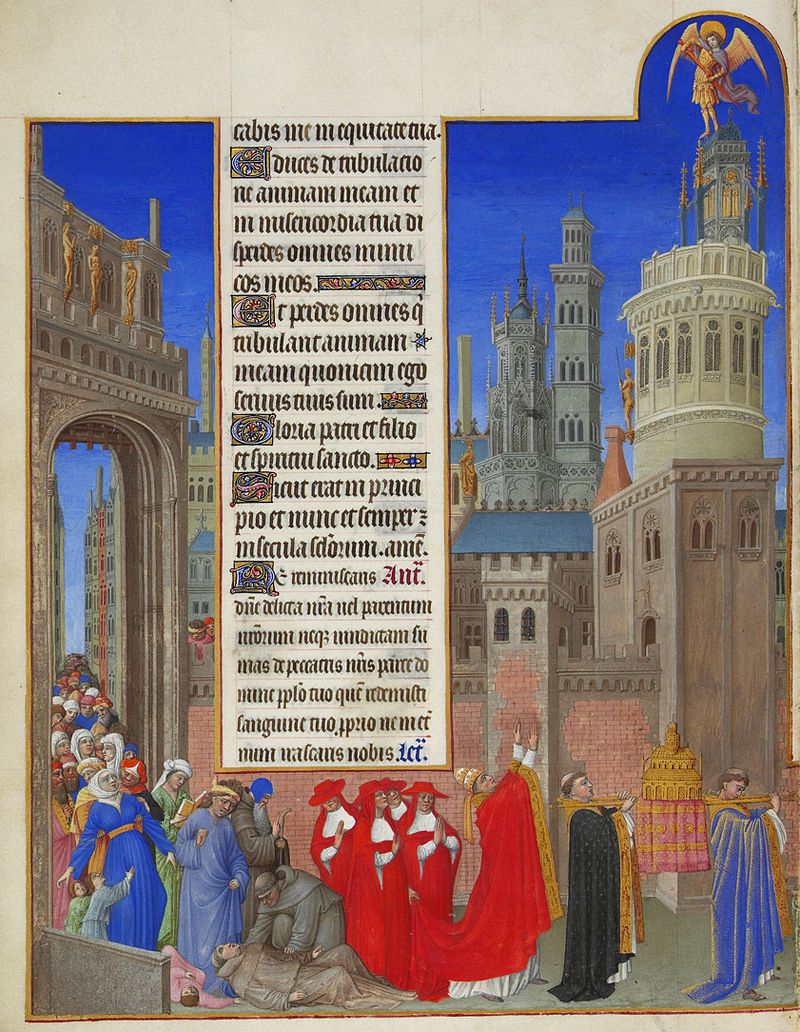
Illuminations are not just about form; color plays a critical role too. Examine the colors used in the manuscripts—the earthy tones, the vibrant pigments, and the use of gold and silver. Take special notice of how they layered colors and added shade to create depth and vibrancy especially in folds of cloth or plants.

Calligraphy
The beauty of the manuscripts often lies in the calligraphy. Explore the different Western European scripts like Carolingian, Gothic Blackletter, Bastarda or a non-western script. Study the shapes of the letters, the angles of the strokes, and the spacing between letters. Don’t overlook the decorative elements and flourishes that add a special touch to their writing.

Layout and Composition
Next, pay attention to the layout. How are the text and images arranged on the page? Notice the placement of initial letters, borders, and illustrations. Look for any patterns or guidelines that could inspire the structure of your own scroll designs.
Iconography and Symbolism
Many manuscripts are rich in religious, mythological, or allegorical imagery. Get to know the artistic symbols of different figures, objects, motifs and heraldry. Understanding these symbols can help you weave deeper meanings into your own designs.


Decorative Borders and Initials
Don’t forget the borders and initials. Manuscripts often feature elaborate decorations, from gold leaf and floral designs to animals, mythical creatures, geometric patterns and heraldic arms. Study these embellishments and think about how you might use them in your work.
Conclusion
While exploring illuminated manuscripts is a great way to gather inspiration, don’t forget to let your own creativity shine. Use your manuscript scrutiny as a springboard to developing your unique style. So, grab a cup of tea, cozy up with your favorite book or website on illuminated manuscripts, and let your journey into the past begin!

